+86 311 6603 0586


+86 136 1311 4201

+86 311 6603 0586

 EN
EN
In the ever-evolving landscape of industrial and commercial operations, efficiency and reliability have become paramount. As many industries strive to optimize performance and reduce operational costs, the need for robust flow control solutions has never been more critical. Among these solutions, butterfly valves are emerging as a significant player due to their versatility, compact design, and ease of operation. Our latest article explores the multifaceted applications of butterfly valves, their design advantages, and provides expert insights on selecting the perfect solutions for various sectors.
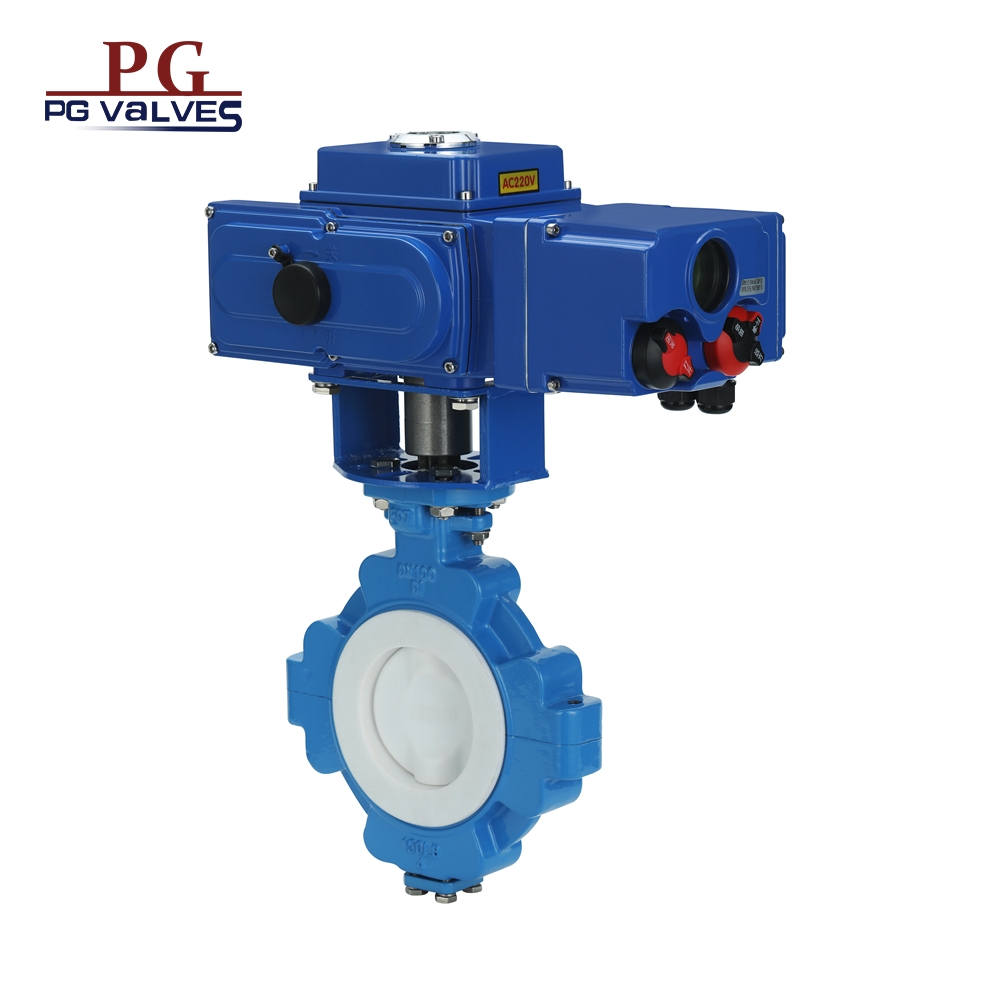
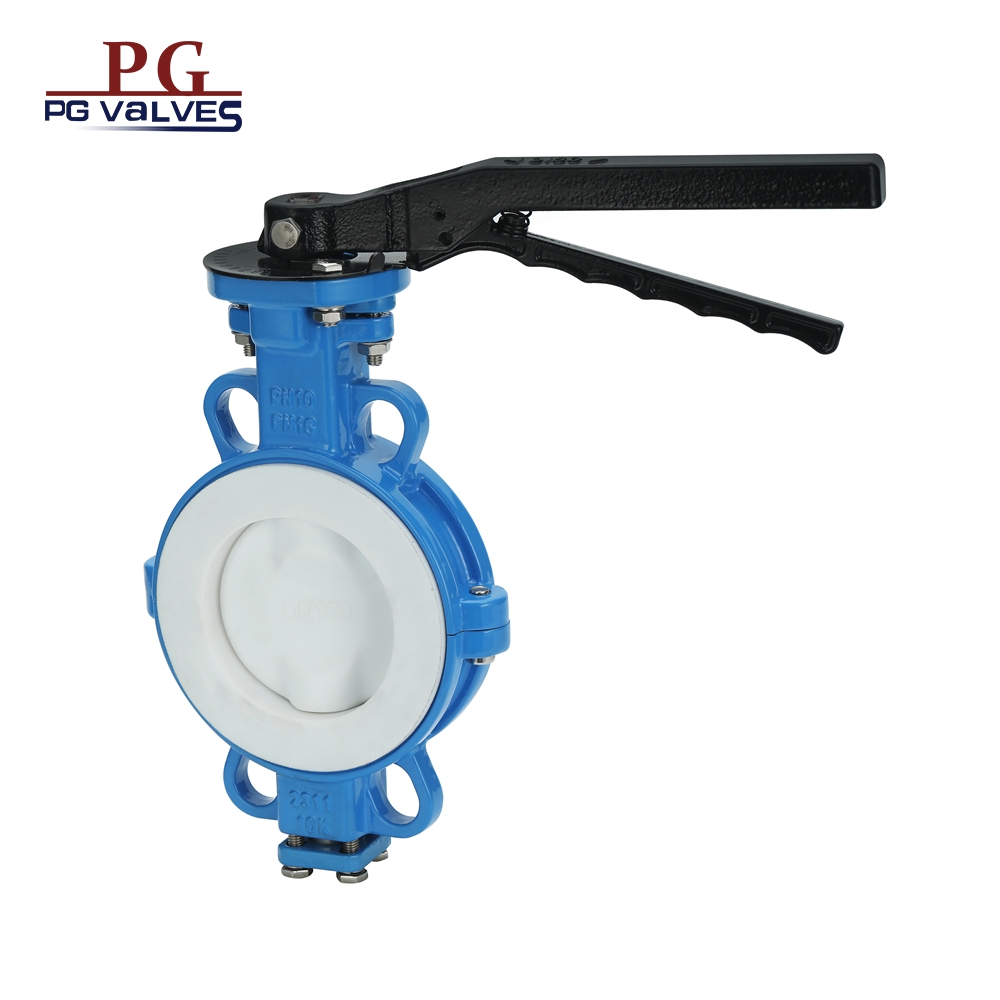
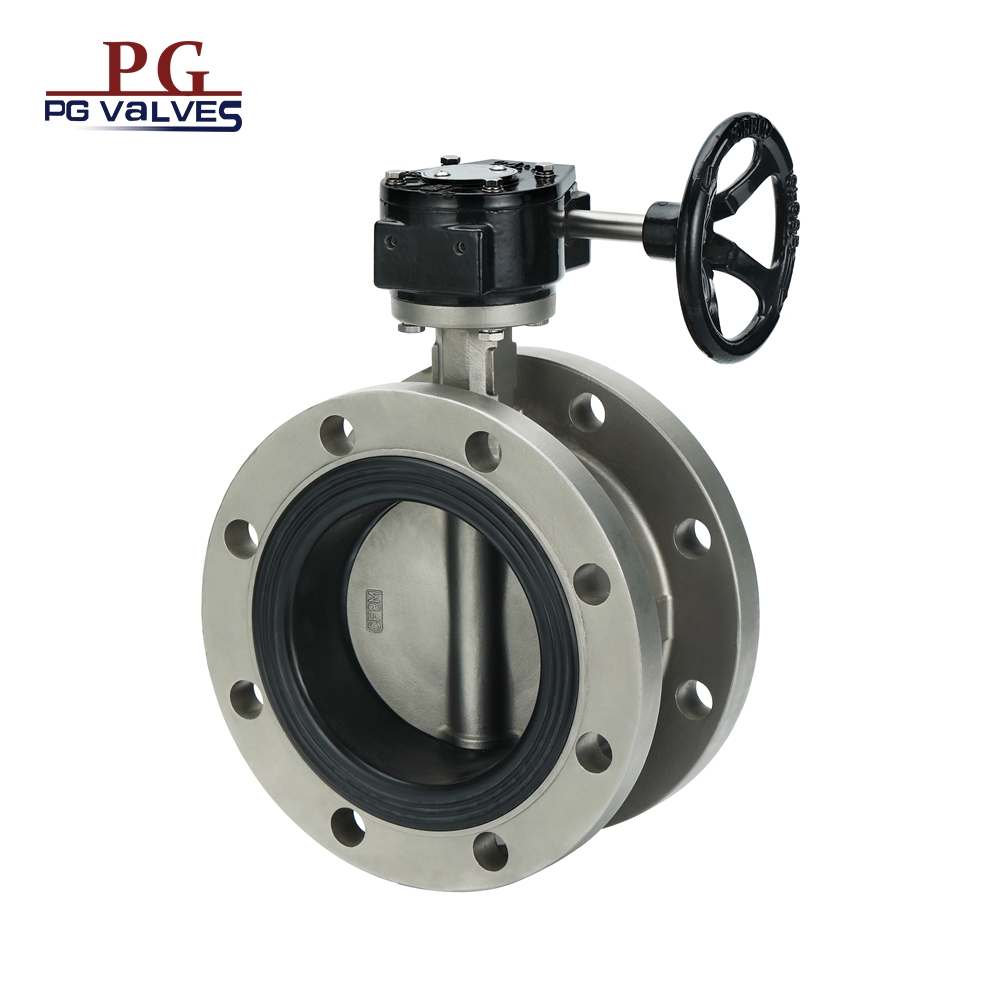
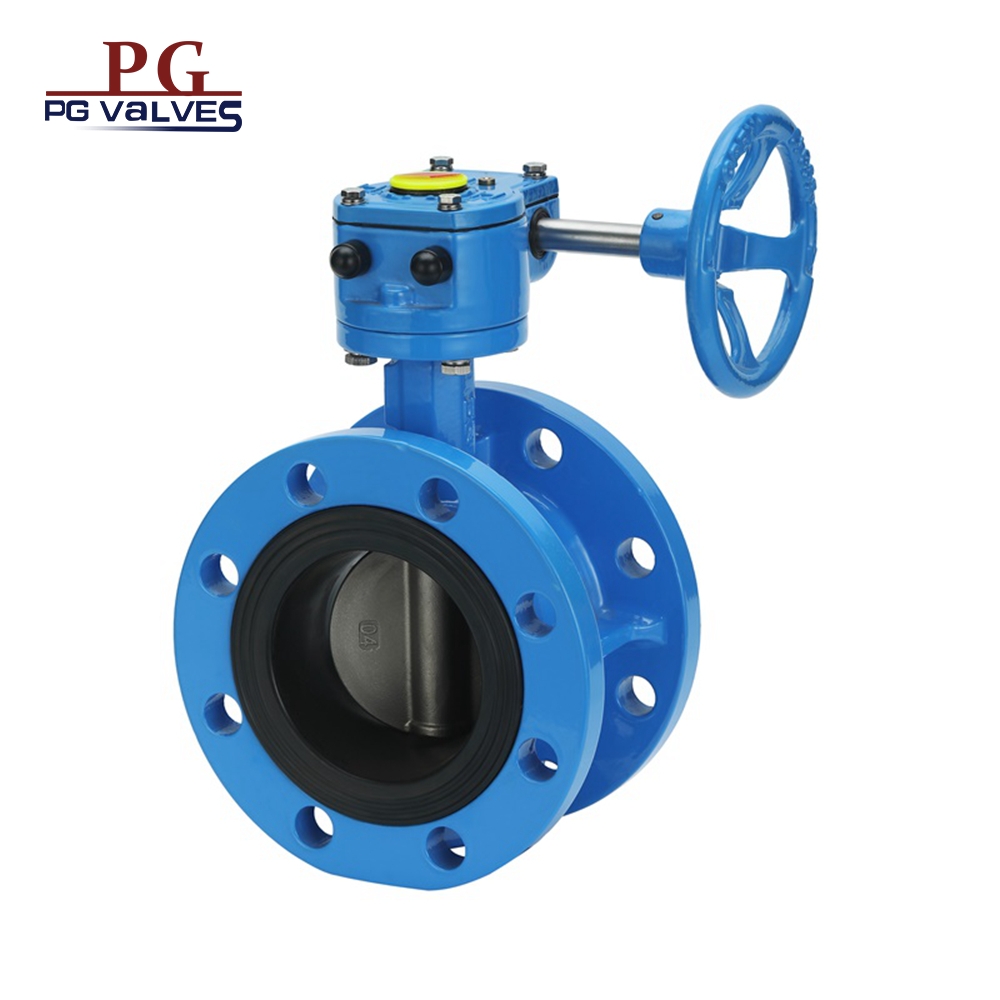
Butterfly valves are mechanical devices used to regulate fluid flow through a pipeline. With a design that typically features a rotating disc around a central axis, these valves can swiftly open or close, allowing for precise control of flow rates. They are commonly found in applications across numerous sectors, including water treatment, oil and gas, HVAC, food and beverage, and chemical processing.
In the water treatment industry, butterfly valves play a crucial role in ensuring that purified water meets safety standards. These valves are employed to control the flow of various fluids, including water, sludge, and chemical additives. With their quick response time and minimal pressure drop, butterfly valves are essential for maintaining optimal operation within treatment plants.
Moreover, as countries around the world face challenges related to water scarcity, the demand for efficient water management systems grows. Butterfly valves’ lightweight design and ability to withstand harsh environments make them invaluable in optimizing the treatment and distribution of water resources.
The oil and gas industry, known for its rigorous safety standards and operational demands, benefits significantly from the adoption of butterfly valves. These valves are primarily used in pipelines and storage applications to regulate the flow of crude oil, natural gas, and other fluids. Their design allows for minimal turbulence, which is crucial for preserving the integrity of these valuable resources.
Current market trends indicate a shift toward automation within the oil and gas sector, with more operators looking to integrate intelligent flow control solutions. Butterfly valves equipped with smart technology can facilitate remote monitoring and control, enhancing operational reliability and enabling timely maintenance interventions.
In the realm of heating, ventilation, and air conditioning (HVAC) systems, butterfly valves serve a pivotal role in regulating airflow. By effectively managing pressure differentials and minimizing energy consumption, these valves contribute significantly to the overall efficiency of climate control systems.
As sustainability becomes a central focus in building design, the importance of energy-efficient solutions is amplified. Butterfly valves offer low flow resistance, making them an ideal choice for modern HVAC systems aiming to reduce energy consumption while maintaining comfort levels.
The food and beverage industry demands the highest levels of cleanliness and compliance with stringent health regulations. Butterfly valves, often constructed from sanitary materials, enable manufacturers to efficiently manage fluid flow while adhering to hygiene standards. Their ease of cleaning and maintenance makes them suitable for processes involving the transfer of liquids, powders, and gases.
With changing consumer preferences and rising health standards, the need for innovative and compliant solutions in the food sector drives demand for reliable butterfly valve systems. Companies in this sector are increasingly turning to these valves to ensure the quality and safety of their products.
In chemical processing, where diverse fluids with varying viscosity, corrosiveness, and temperature are handled, the choice of valves can be a complex endeavor. Butterfly valves have gained popularity for their ability to handle a range of chemicals safely and efficiently, often providing a cost-effective solution when compared to more complex valve types.
Current market hotspot trends reveal an increase in the use of legacy systems combined with modern innovations like IoT technology. While butterfly valves might have been deemed low-tech historically, today's market is leaning toward smart valves that can provide real-time analytics, allowing for better decision-making and operational adjustments in chemical processing plants.
The robust design of butterfly valves is a significant factor behind their growing adoption across industries. Here are some of the primary design advantages to consider:
Butterfly valves boast a compact design that enables easy installation in tight spaces. This lightweight nature results in reduced labor costs for installation and maintenance compared to heavier valve types. With space constraints being a common challenge in today’s industrial setups, the reduction in weight and size makes butterfly valves a practical choice.
One of the most appealing aspects of butterfly valves is their versatility across different operational conditions. They can be manufactured from various materials, including plastic, stainless steel, and brass, accommodating the needs of different industries and applications. Whether regulating airflow in HVAC systems or managing corrosive chemicals in industrial processing, butterfly valves can be customized to meet specific performance requirements.
Due to their design, butterfly valves facilitate a minimal pressure drop across their bodies when fully opened. This characteristic is vital for preserving energy efficiency, particularly in large-scale systems like pipelines where maintaining pressure is crucial.
Compared to traditional valve types, butterfly valves offer a more economical solution. Their simpler design results in lower manufacturing costs, which can translate to affordable installation and service costs. Additionally, their long lifespan contributes to reduced operating costs over time.
Butterfly valves can be operated quickly, either manually or automatically. The quarter-turn operation enables rapid adjustments to fluid flow, making them suitable for applications where response time is critical.


Next:
None
Related News
Discover the Future of Flow Control: Premium Industrial Butterfly Valves Now Available
In a world driven by innovation and efficiency, industries are constantly on the lookout for solutions that can enhance performance while ensuring reliability.
Feb.06, 2026
Wafer Butterfly Valves: Revolutionizing Flow Control in Industrial Applications
In recent years, the industrial sector has witnessed a surge in the adoption of innovative technologies aimed at improving efficiency, reducing operating costs, and enhancing safety.
Feb.06, 2026
Related products
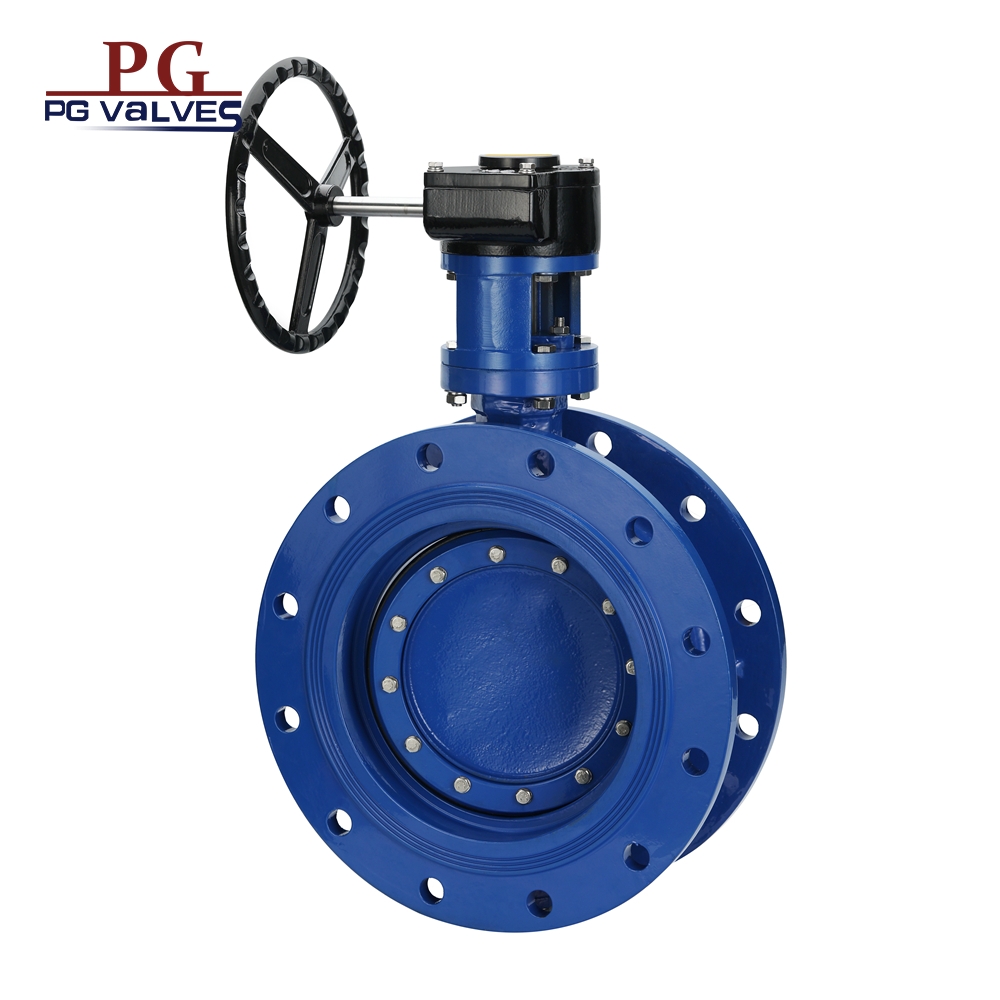
Double Eccentric Flange Butterfly Valve
Ductile Iron Double Eccentric Soft Seal Butterfly Valve features a double eccentric design that ensures zero leakage through a soft rubber seat

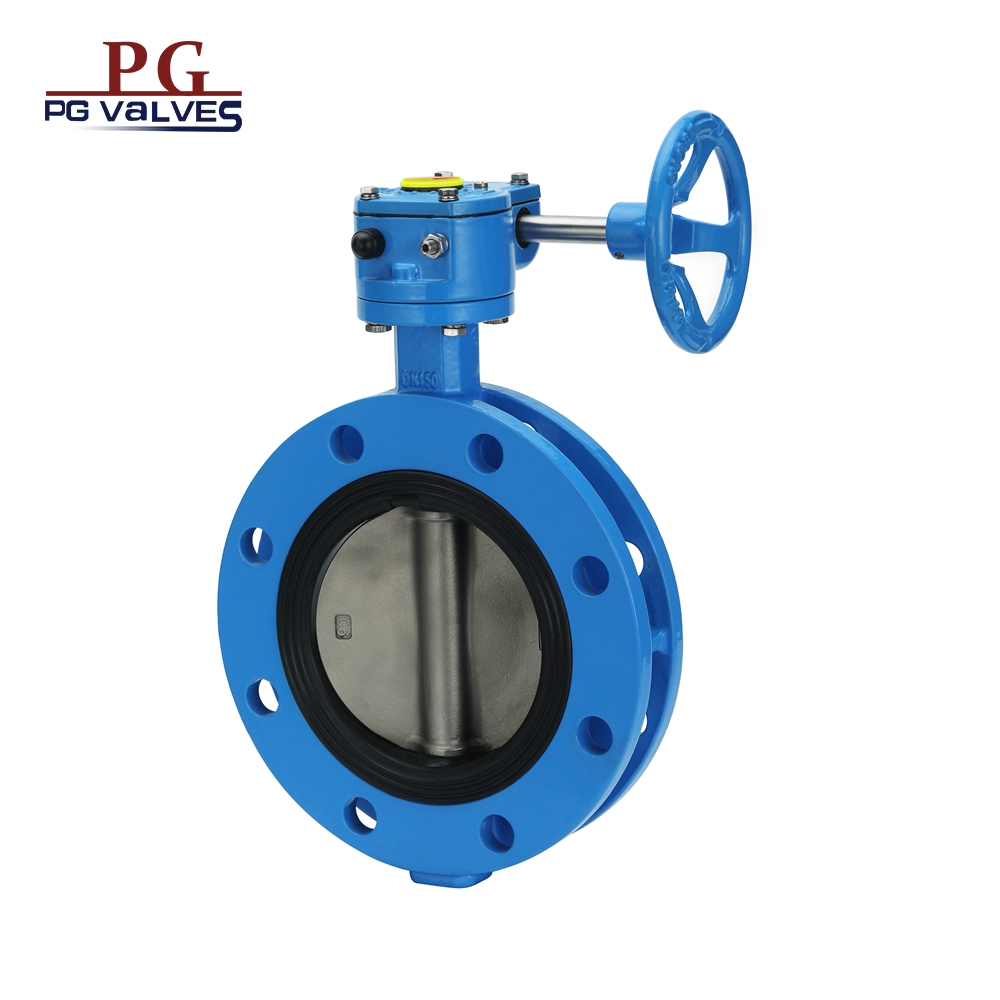
U type Soft Seal Midline Butterfly Valve offers superior sealing performance with its soft rubber seat, ensuring zero leakage even under low-pressure conditions.