+86 311 6603 0586


+86 136 1311 4201

+86 311 6603 0586

 EN
EN
In recent years, the industrial sector has witnessed a surge in the adoption of innovative technologies aimed at improving efficiency, reducing operating costs, and enhancing safety. One such technology that has garnered significant attention is the wafer butterfly valve. Known for their compact design, lightweight construction, and reliable performance, wafer butterfly valves are being increasingly utilized across diverse industrial applications, from water treatment plants to oil and gas facilities. This feature explores the myriad advantages of these valves, their impact on productivity, and the current market hotspots influencing their demand.
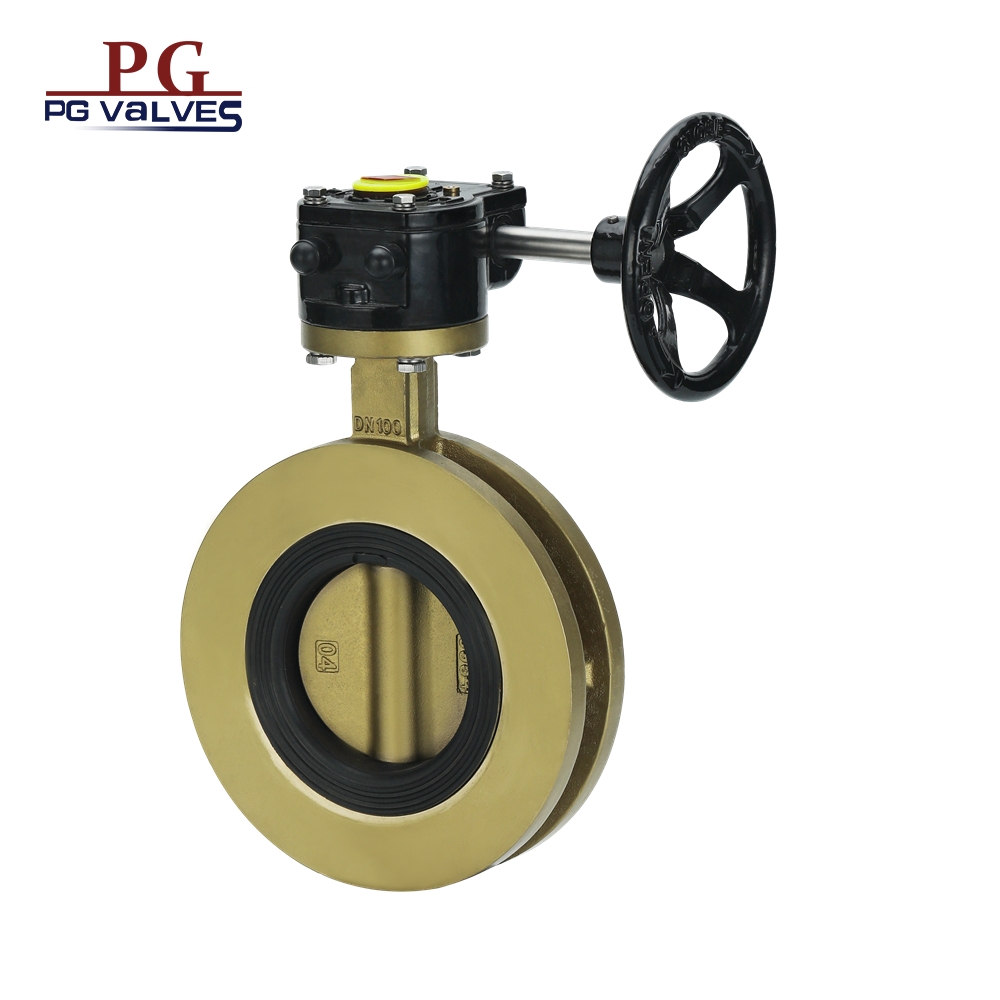
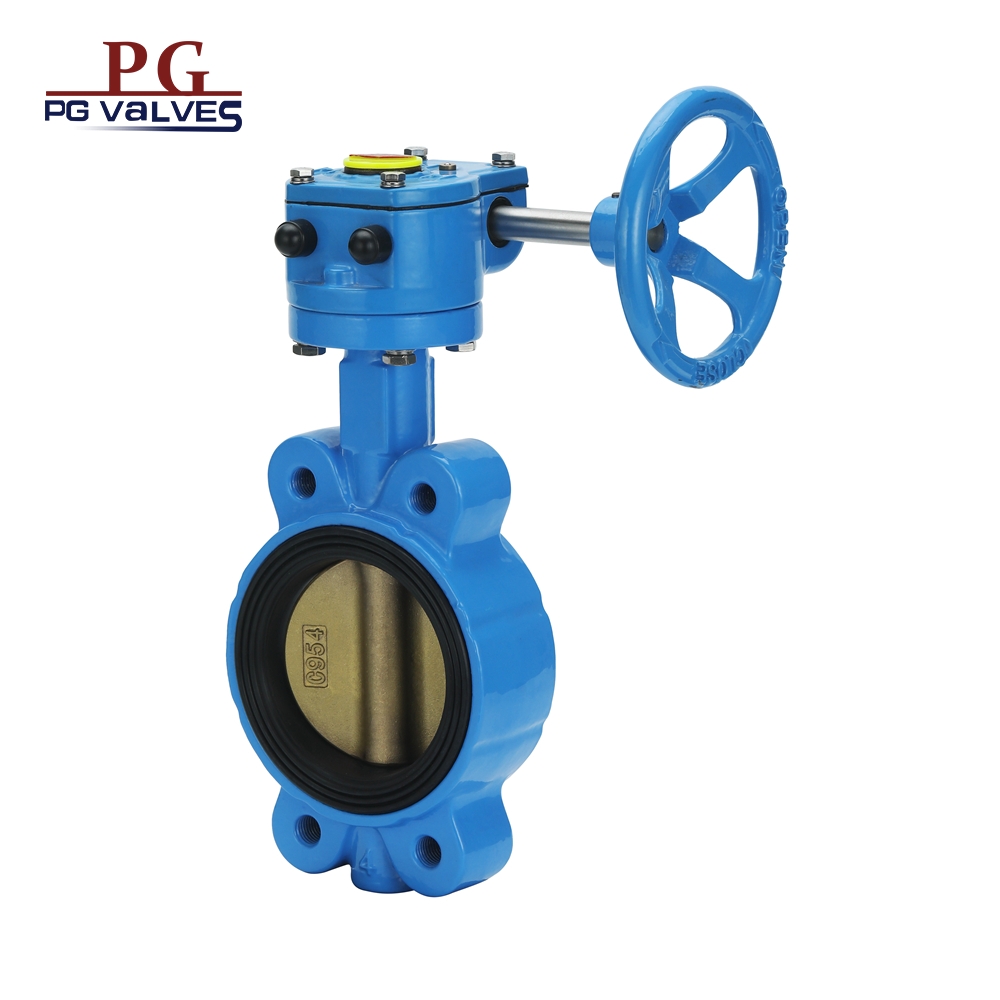
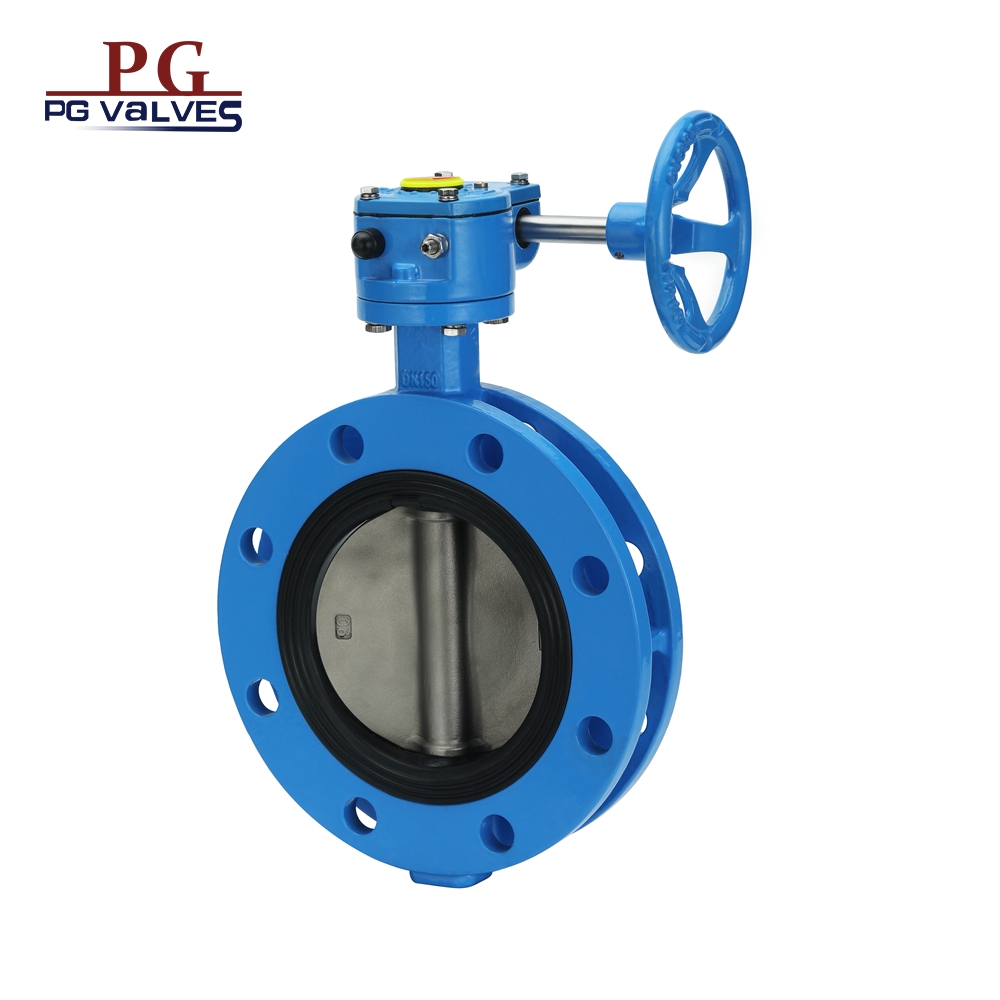
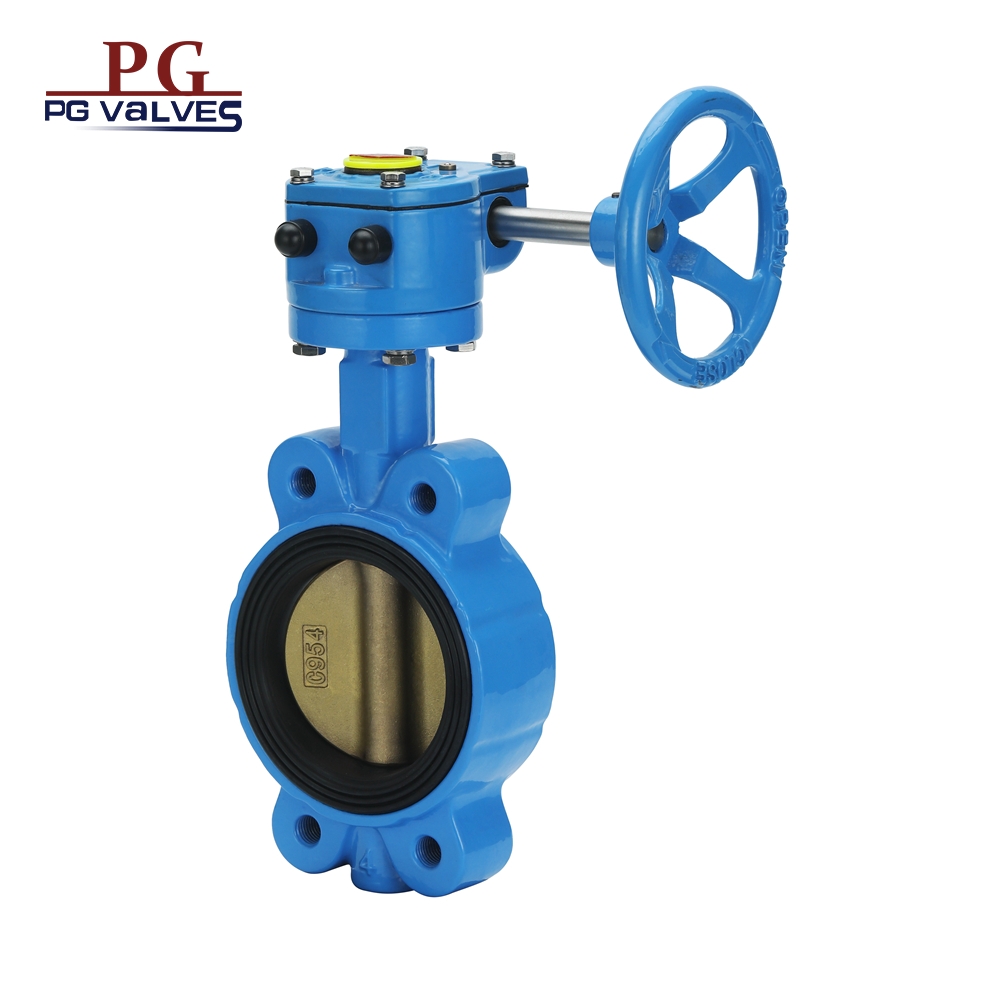
Wafer butterfly valves are a specific type of quarter-turn valve used for regulating flow. Their design consists of a circular disc (the "butterfly") that rotates within the pipe to either restrict or allow flow through the pipeline. Unlike traditional valves, such as gate or globe valves, wafer butterfly valves are sandwiched between two flanges, making them incredibly space-efficient.
One of the most significant advantages of wafer butterfly valves is their compact and lightweight construction. Weighing significantly less than traditional valves, they ease the burden on supporting structures, require less material, and simplify installation processes. This is particularly advantageous for industries where space is a premium and weight restrictions exist, such as in aerospace, marine, and certain segments of manufacturing.
Installation of wafer butterfly valves is straightforward. Their design allows for easy alignment within piping systems, resulting in reduced installation times and labor costs. Additionally, maintenance is simplified since the valves can be accessed without having to remove extensive piping or fittings — a crucial factor for operations that require minimal downtime.
With their quarter-turn mechanism, wafer butterfly valves provide excellent flow control. They can achieve significant flow rates while maintaining low-pressure drops, translating to efficient system operations. Their design minimizes turbulence and can handle a range of flow situations, making them suitable for various applications, including mixing and throttling.
Wafer butterfly valves are incredibly versatile and can be used in a multitude of applications across several industries. From water and wastewater treatment, chemical processing, oil and gas, to food and beverage manufacturing, their adaptability makes them a preferred choice for engineers and system designers.
Engineered to withstand demanding conditions, modern wafer butterfly valves are made from robust materials such as stainless steel, cast iron, and high-performance polymers. These materials enhance wear resistance, corrosion resistance, and overall reliability, ensuring that the valves not only perform well under pressure but also have a long service life, reducing the need for frequent replacements.
The oil and gas sector is one of the fastest-growing markets for wafer butterfly valves. As exploration and production activities ramp up globally, the need for efficient flow control solutions has never been greater. With the increased focus on environmental sustainability, the ability of these valves to handle aggressive fluids safely and reliably makes them ideal for operations in this industry.
The ongoing global challenges related to water scarcity and quality have prompted a surge in investment in water treatment infrastructure. Wafer butterfly valves play a critical role by providing reliable flow control in treatment processes and distribution systems. As municipalities and organizations prioritize upgrades to their water infrastructure, the demand for these valves is expected to grow significantly.
In sectors where sanitary conditions are paramount, such as pharmaceuticals and food processing, wafer butterfly valves designed with hygiene in mind are gaining traction. Their easy-to-clean characteristics and ability to maintain sterile conditions make them a go-to option for these applications. As global health standards become stricter, the demand for high-performance sanitary valves is expected to increase.
With the world shifting towards renewable energy sources, wafer butterfly valves are becoming integral components in operations related to biofuels, hydropower, and geothermal energy. Their compatibility with a range of temperatures and pressures makes them suitable for harnessing energy from diverse renewable sources, supporting the transition to sustainable energy systems.
The integration of wafer butterfly valves can significantly enhance operational efficiency. By reducing energy consumption, lowering maintenance costs, and improving safety and reliability, industries can achieve greater productivity and lower overall operational costs. These valves contribute to increased uptime and less frequent system interruptions, making them a sound investment for businesses looking to optimize their operations.
Wafer butterfly valves represent a significant advancement in flow control technology for industrial applications. Their compact design, lightweight nature, and ease of installation offer numerous benefits across various sectors, from oil and gas to water treatment and food processing. As market hotspots continue to emerge and evolve, the demand for durable, high-performance wafer butterfly valves is expected to rise, driven by the need for efficiency and sustainability within the industrial landscape.
In a world increasingly focused on innovation and adaptability, exploring and investing in wafer butterfly valves can elevate operational capabilities, ensuring that industries not only meet current demands but are also prepared for future challenges. As further advancements in valve technology continue to develop, we can anticipate that wafer butterfly valves will remain at the forefront, transforming how flow control is approached in industrial settings globally.
For industries looking to make a change, the time is now to discover how wafer butterfly valves can streamline processes, optimize performance, and enhance overall system efficiency. Explore the options available in the market and invest in the future of your operations today.
Related News
Discover the Future of Flow Control: Premium Industrial Butterfly Valves Now Available
In a world driven by innovation and efficiency, industries are constantly on the lookout for solutions that can enhance performance while ensuring reliability.
Feb.06, 2026
In the ever-evolving landscape of industrial and commercial operations, efficiency and reliability have become paramount. As many industries strive to optimize performance and reduce operational costs, the need for robust flow control solutions has never been more critical.
Feb.06, 2026